
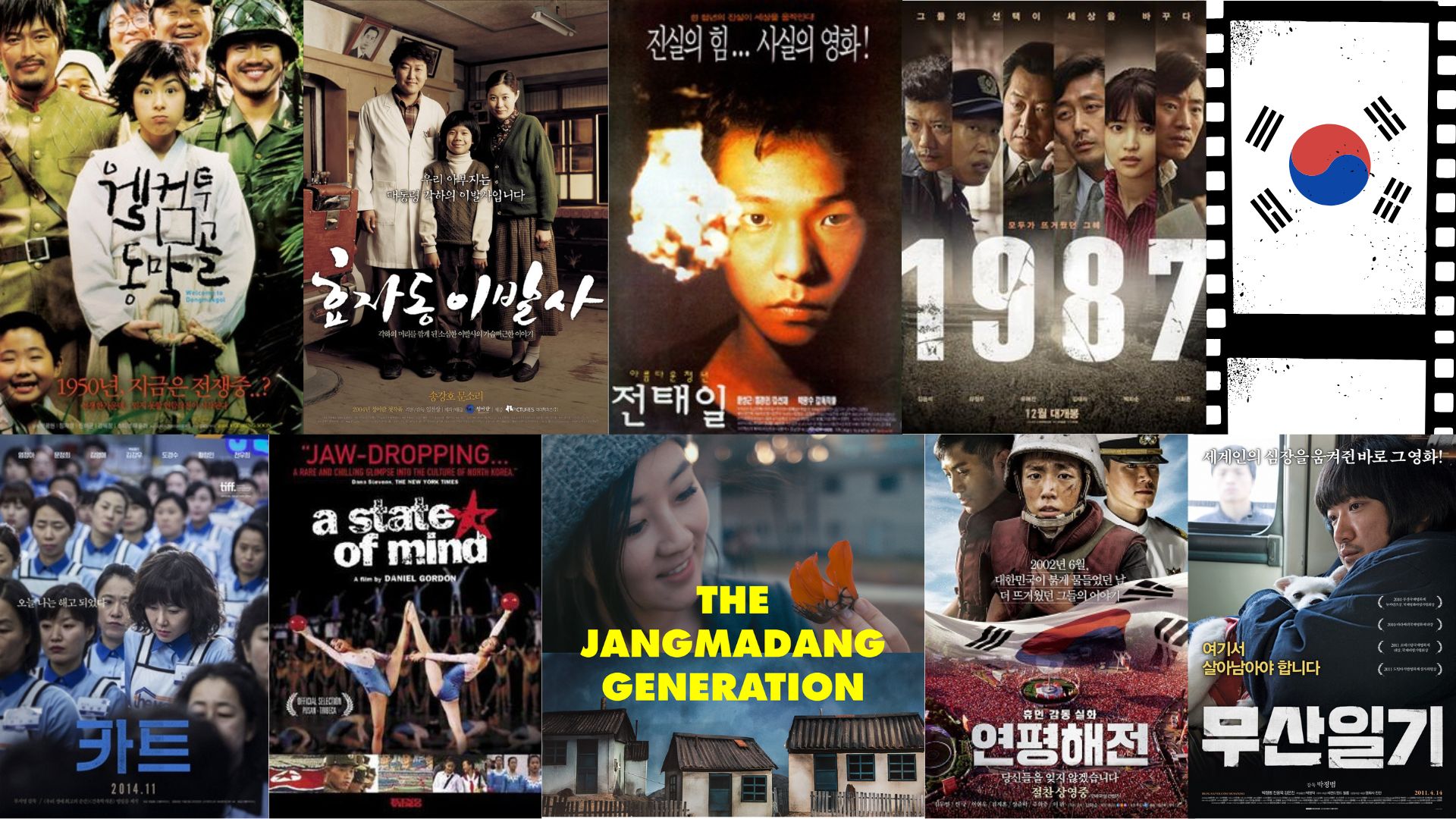
In the fall of 2025, I took the course Korean Politics Through Film, which offered perspectives on contemporary Korean politics through academic sources and films. This course greatly enlightened my perspective and knowledge about Korea, as Korea was only known to me through portrayals in K-pop, K-drama, and movies. Having to learn about the tumultuous history of modern Korea had contributed to the present political conditions in South Korea and North Korea, I came to understand the divided sentiments Koreans had about the Korean War. I also became aware of the role the United States and Japan played in Korea’s economic success, the gap in democratic transitions, and the suffering of being a victim of imperialism.
My learning was shaped through my participation in class discussions, two exams, and a semester-long research project to explore issues surrounding major political events pertinent to the two Koreas, including Japanese colonialism, Japan-Korea relations, the Korean War, dictatorships, economic development, democratization, neoliberalism, inter-Korean relations, and US-ROK relations. Using my research paper, I wanted to focus on my deep curiosity about the impacts that North Korea’s 1959-1984 Repatriation Project had on Zainichi Koreans’ national identity, specifically those who had North Korean nationalism and Chongryon ideologies before the 1959-1984 Repatriation Project.
I read about how North Korea’s 1959-1984 Repatriation Project was a state-sponsored relocation program, moving thousands of ethnic Koreans (Zainichi Koreans) and their Japanese spouses from Japan to North Korea. This program was conducted with the intention of getting more able-bodied people to North Korea for labor purposes, using convincing strategies like propaganda and misinformation about North Korea’s prosperity and economic success. As a result, these projects reshaped Chongryon Zainichi Koreans’ national identity by exposing them to the realities of North Korea. This exposure reached more than those who repatriated; it influenced their families, which eventually caused a push away from North Korean nationalism and Chongryon ideology.
This research paper came with many challenges, as there was limited literature and information on this matter. However, I was still able to gather different academic sources, news articles, and primary accounts of Zainichi Koreans who were both indirectly and directly impacted by the 1959-1984 Repatriation Project, specifically how their emotions towards their nationality shifted. It becomes apparent that both the returnees and their relatives who stayed in Japan were filled with resentment towards the Japanese and North Korean governments due to the false propaganda they spread. These feelings of resentment and regret about becoming a participant in the repatriation projects ultimately influenced the push against communist ideologies. This research topic resonated a lot with me as North Korea’s 1959-1984 Repatriation Project reminded me of how many countries use media and propaganda to showcase their living conditions, which influenced large migration shifts, with my parents being part of these migration shifts. The United States used the American Dream as a way to promote employment and education opportunities to Central American citizens, which led to the Central American Migrant Caravans.
Overall, this course was very insightful and equipped me with the historical and political knowledge about South and North Korea. Along with, pushing me to conduct an in-depth research project, which led me to shed light on the consequences state actors had on communities’ lives. As a result of taking this course, I am curious to learn more about Korea through different lenses and explore more about the historical roles the United States played within the affairs of other nations.
Here’s a link to my research paper: 1959-1984 Repatriation Project: Zainichi Korean’s National Identity
Date Posted: 16th December 2025
